Prosper 202 Setup Guide: Tracking Structure, Naming, and First-Campaign Hygiene
A tracker only helps when the setup is clear. This guide focuses on clean naming, traffic mapping, and first-campaign hygiene instead of overwhelm.
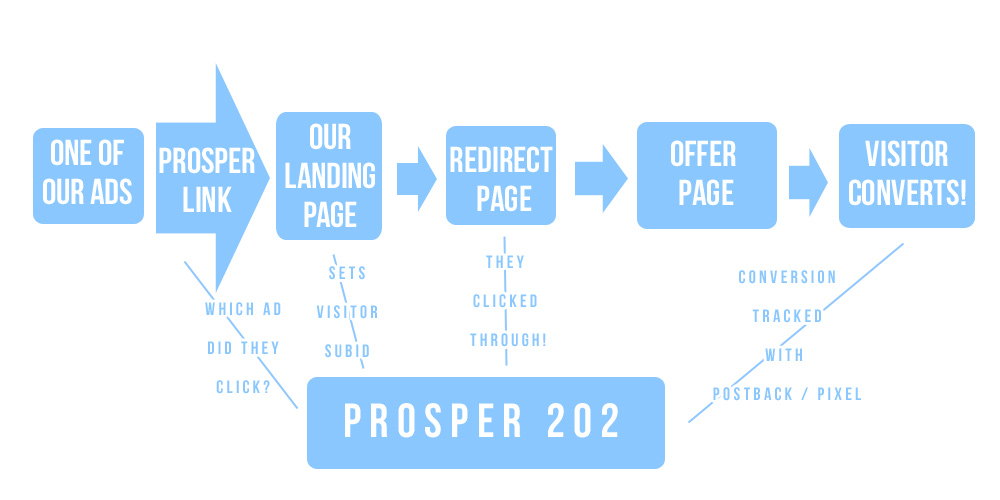
Tracking clarity starts before the first click
A tracking tool cannot rescue a messy naming system or a vague testing process. The real advantage of a tracker appears when campaigns, offers, landers, and traffic sources are organized clearly enough to produce usable analysis.
That means setup discipline matters more than interface familiarity.
- Define a naming convention before campaign launch.
- Keep offers, landers, and sources easy to identify.
- Treat tracking setup as a core operational task.
Simple structure beats impressive complexity
Beginners often assume a more complex tracker setup is more advanced. Usually the opposite is true. Simpler, well-labeled structures make errors easier to spot and optimization easier to perform.
Your first campaigns need clean visibility more than clever engineering.
- Avoid unnecessary layers early on.
- Label campaigns so future you can read them quickly.
- Test one clean path before building advanced variations.
Good hygiene protects your learning
Tracking mistakes are expensive because they corrupt learning. If the data is wrong, every optimization choice becomes weaker. That is why setup hygiene deserves real attention in the beginning.
Operators who take this seriously improve faster and waste less budget.
- Check links and parameters before spending.
- Review reports against the exact questions you want answered.
- Keep a repeatable launch checklist for future campaigns.